Field Research — May 2026
Boston
Simulation · Time · Human Trace · Translation · Environment
Venues & Discoveries
Material as Simulation
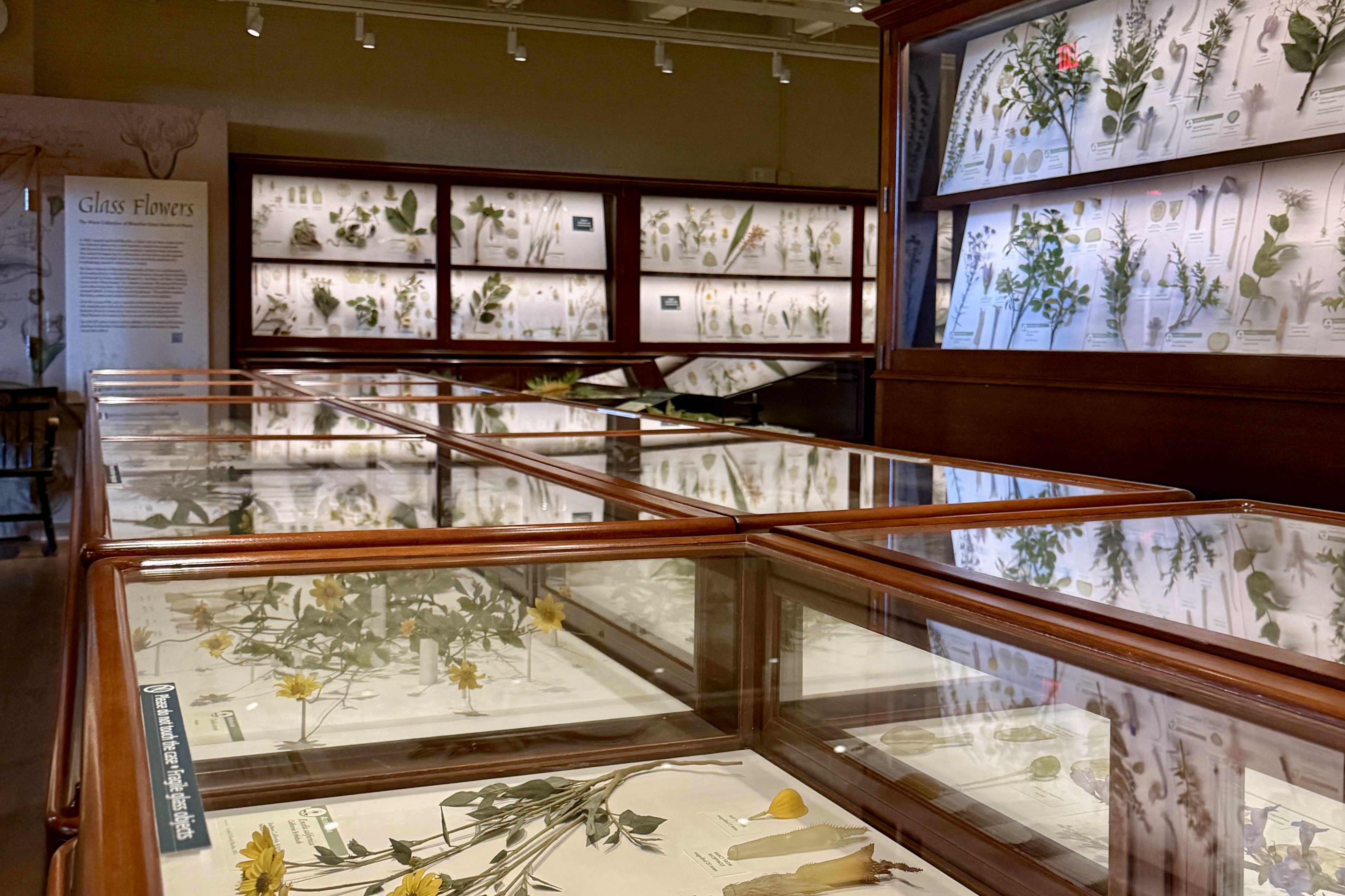
Harvard Museum of Natural History · Cambridge · The Ware Collection of Blaschka Glass Models of Plants (1886–1936)
3,000 specimens across 780 species, each handblown from glass by Leopold and Rudolf Blaschka over 50 years in Dresden. Since their deaths, no one has successfully replicated the technique. These are not scientific models — they are material simulations so precise they still deceive botanists, and so fragile they cannot be moved.
Material as Time
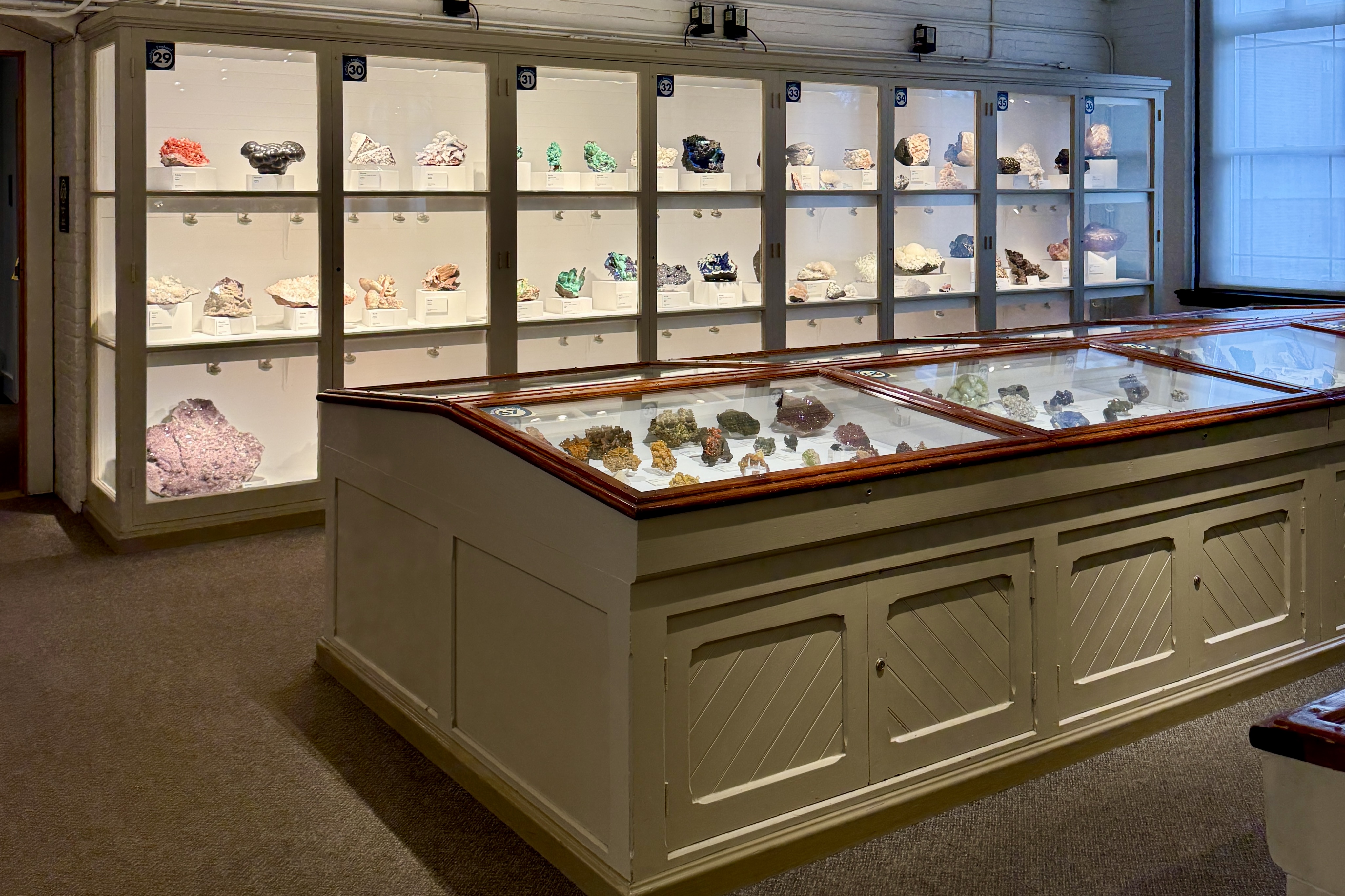
Harvard Museum of Natural History · Cambridge · Mineralogical Collection
Lapis lazuli mined from the same mountain in Afghanistan for over 6,000 years. Azurite — the vivid blue mineral — slowly transforms into malachite, the green, given enough centuries. Minerals as time made visible: compressed geological process, translated into pigment and carried across centuries of Eastern and Western art.
Material as Human Trace
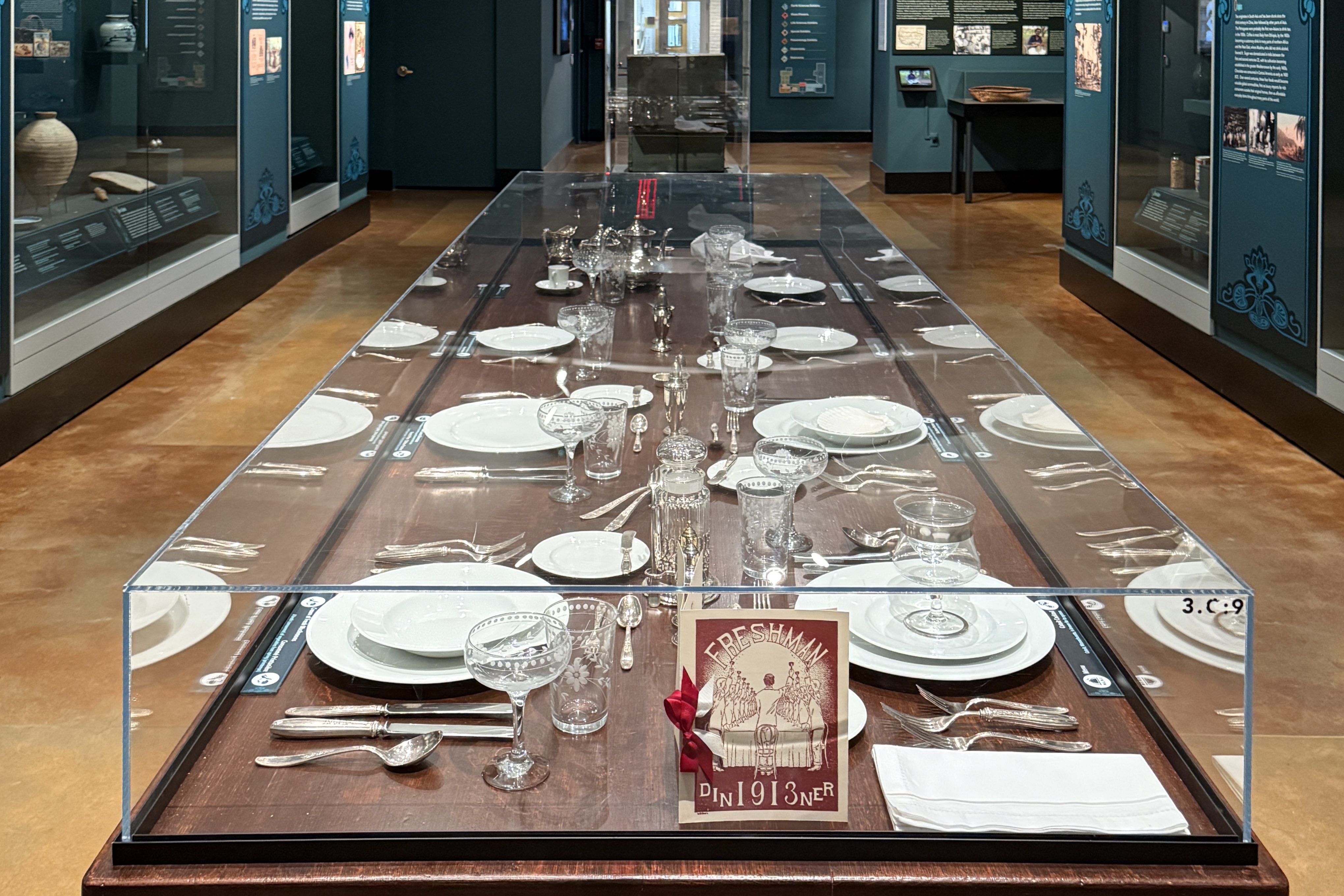
Peabody Museum of Archaeology and Ethnology · Cambridge · A Seat at the Table? — Harvard Class of 1913 Freshman Dinner
The 1913 Freshman Dinner: a full table setting preserved under glass, each course connected to food specimens displayed along the walls. Food as material trace of power, culture, and status. Beside it: grain baskets from the Amazon, woven storage from the Pacific — how humans across cultures use material to carry knowledge across generations.
Material as Translation
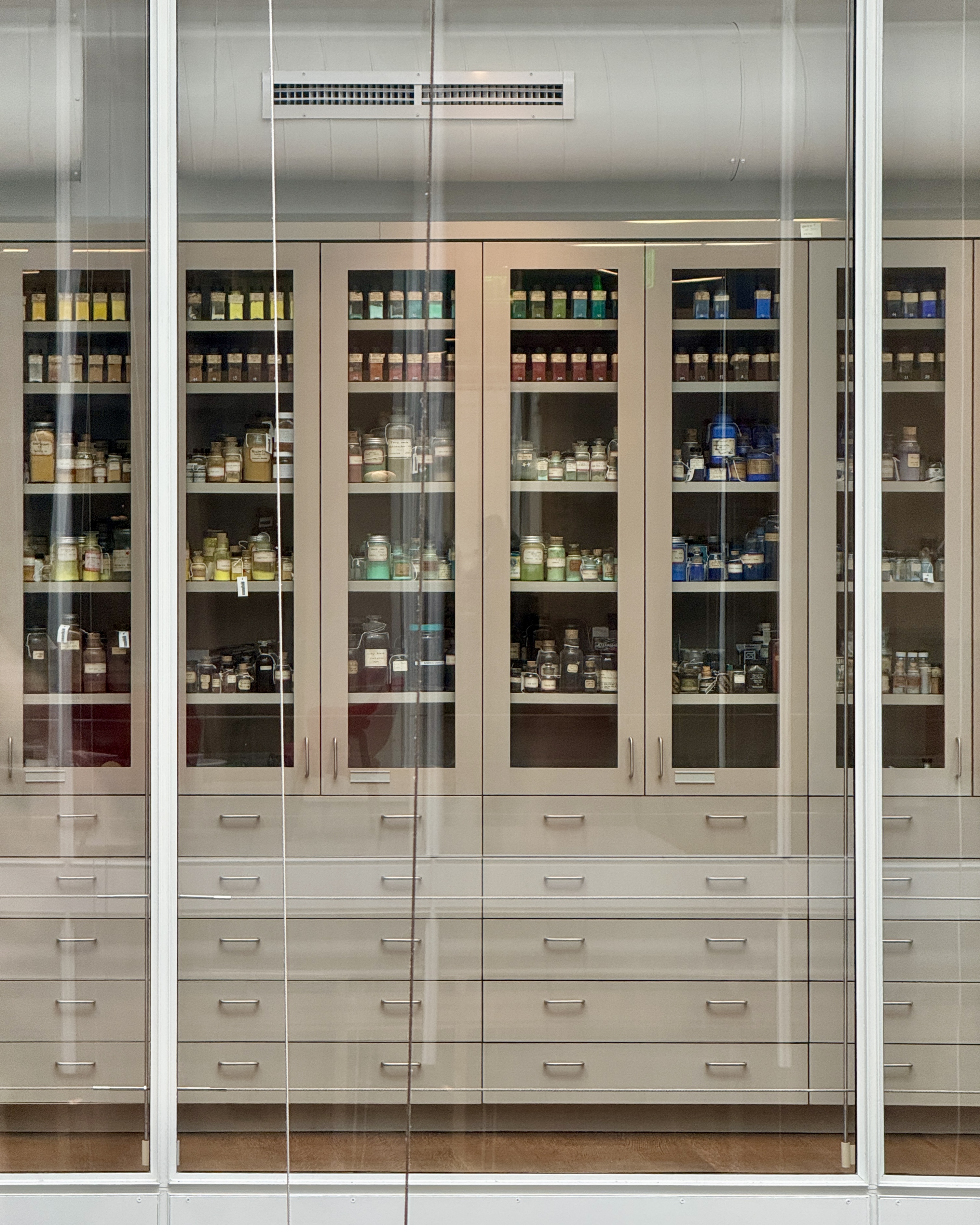
Harvard Art Museums · Cambridge · Forbes Pigment Collection & Gettens Collection of Binders and Varnishes
3,500 pigment specimens translating stone into image: Egyptian Blue (2500 BCE) and YInMn Blue (2009) side by side. The Forbes Pigment Collection documents how material knowledge travels — from mine to mortar, from pigment to painting, from discovery to archive. The oldest and newest blues in the same case.
Material as Environment
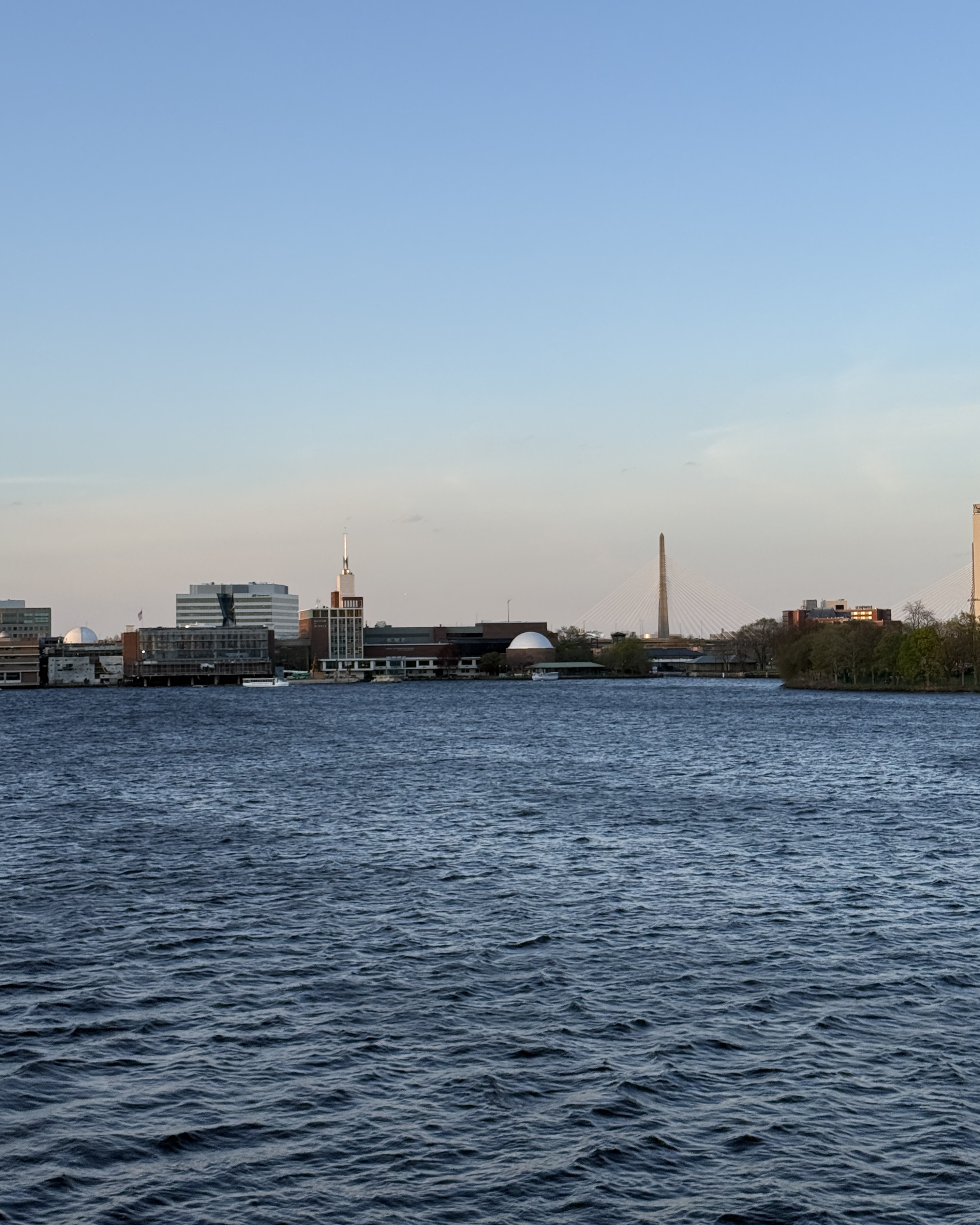
On foot · May 2026 · Cambridge · West End · Boston Harbor
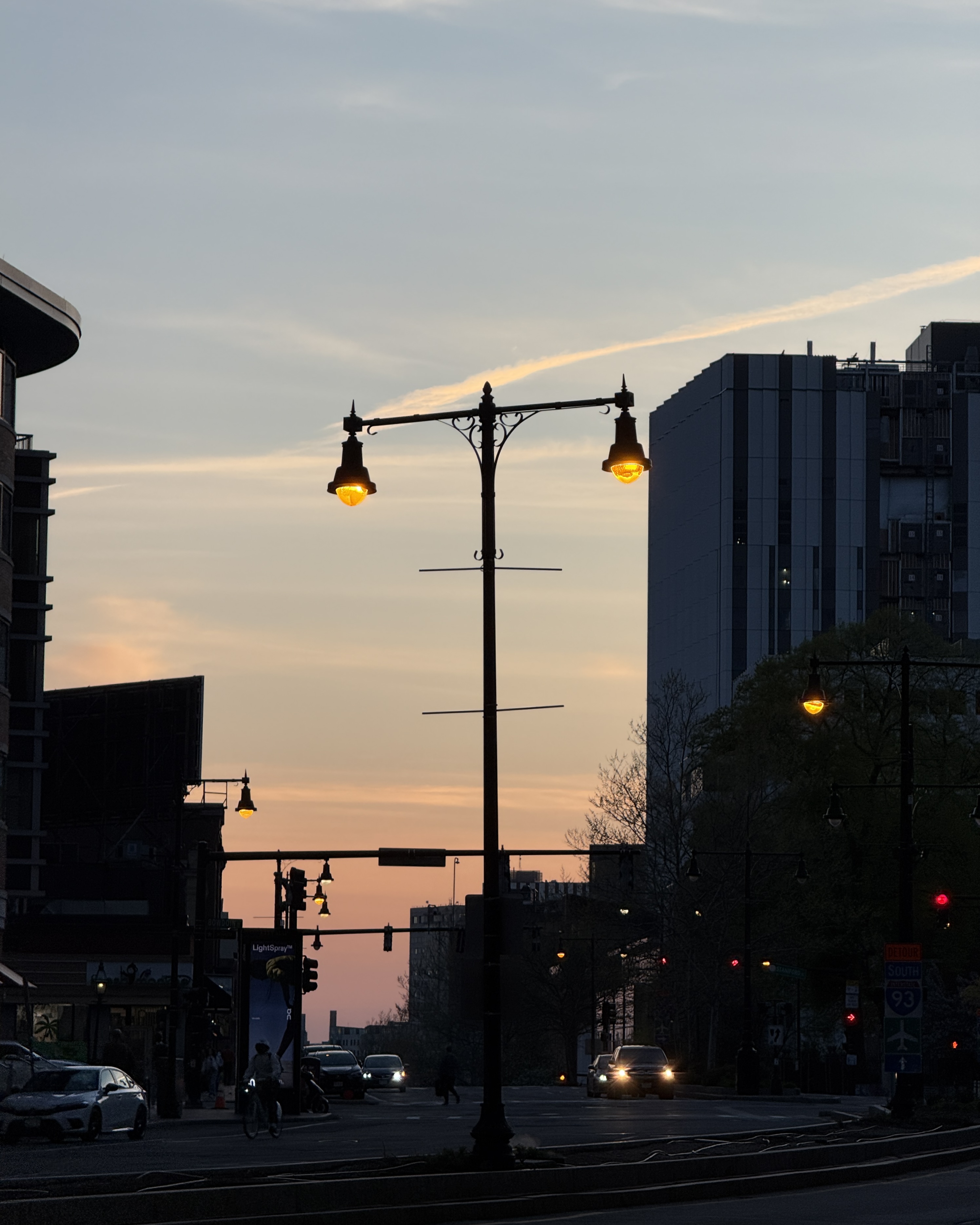
Harvard Square to Boston Harbor — on foot at dusk. Asphalt, brick, salt air, warm lamplight. Walking as a method of material research: reading a city through its surfaces, textures, and atmosphere rather than its institutions. The route itself as a found material collection.
What Came Home
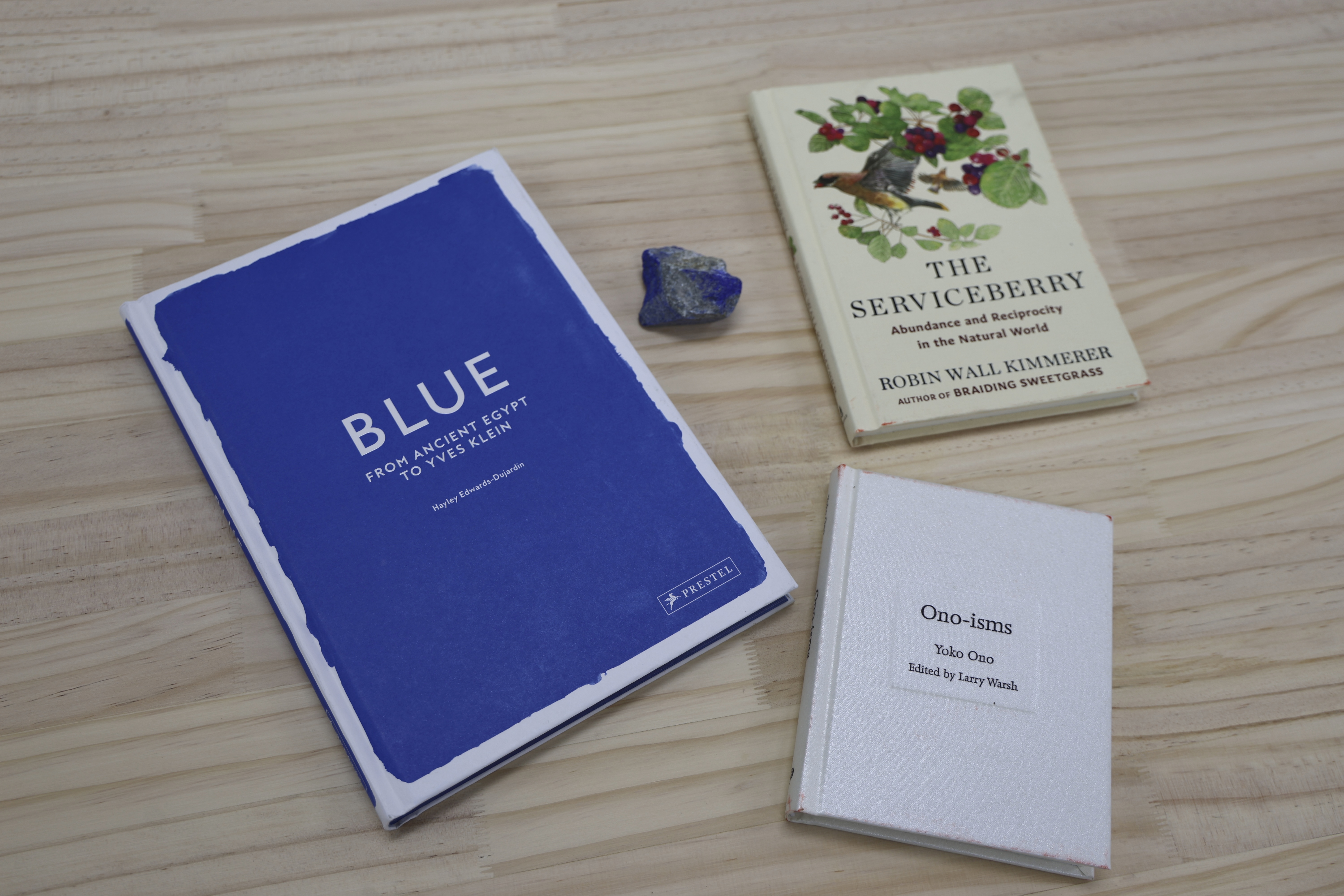
Lapis Lazuli
mineral specimen
The Harvard Museum of Natural History
Adds to the blue collection at Material Memory Studio — azurite, indigo (Mexico & Amsterdam), Adams Blue (Montparnasse).
BLUE
From Ancient Egypt to Yves Klein · Hayley Edwards-Dujardin
Harvard Art Museums
Harvard Art Museums — after the Forbes Pigment Collection
The Serviceberry
Robin Wall Kimmerer
The Harvard Museum of Natural History
The Harvard Museum of Natural History — with the lapis lazuli
Ono-isms
Yoko Ono, ed. Larry Warsh
Harvard Book Store
Harvard Book Store — between the campus museums
Material knows.
Research Notes
In Boston, we read materials as archives. 3,000 glass flowers handblown by father and son over 50 years — a technique no one has replicated since. Minerals that carried color for 6,000 years across Eastern and Western art: orpiment, cinnabar, azurite, lapis lazuli, malachite. A 1913 Freshman Dinner preserved under glass, each course linked to preserved food specimens displayed along the walls — food as material trace, material as power. 3,500 pigment specimens translated from stone into image, from Egyptian Blue (2500 BCE) to YInMn Blue (2009). And a city walked at dusk: asphalt, brick, salt air. Material as Simulation. Time. Human Trace. Translation. Environment. What came home: BLUE: From Ancient Egypt to Yves Klein (Harvard Art Museums), The Serviceberry by Robin Wall Kimmerer (The Harvard Museum of Natural History), Ono-isms by Yoko Ono (Harvard Book Store), and a lapis lazuli stone — now part of the blue collection at Material Memory Studio, alongside azurite, indigo from Mexico & Amsterdam, and Adams Blue from Montparnasse. Material knows. These materials continue their research in Seoul. Come see them — or request a studio session.
Related Reading
The Cities Between the PlanWritten after a missed train turned this trip toward Boston — the beginning of Material Trips.
An essay by Jay · whywhatmatters.com
Continue Exploring
Get in Touch